
This is the most common source of confusion when warehousing and distribution businesses start evaluating technology: the terms "WMS" and "inventory management software" are used interchangeably by some vendors, treated as completely distinct by others, and understood differently by everyone in the conversation.
Here is the clarification that ends the confusion.
The Core Distinction in One Sentence
Inventory management software answers "what do we have and where is it?" A WMS manages the physical operations that move stock to and from those locations.
What Inventory Management Software Does
Inventory management software is a stock tracking and control system. Its primary function is maintaining an accurate record of what you have, where it is, and how it is moving. The core capabilities:
- Real-time stock levels across locations
- Stock movement tracking — receipts, issues, transfers, adjustments
- Reorder alerts when stock falls below defined thresholds
- Batch, lot, and serial number tracking
- Multi-location inventory visibility from one screen
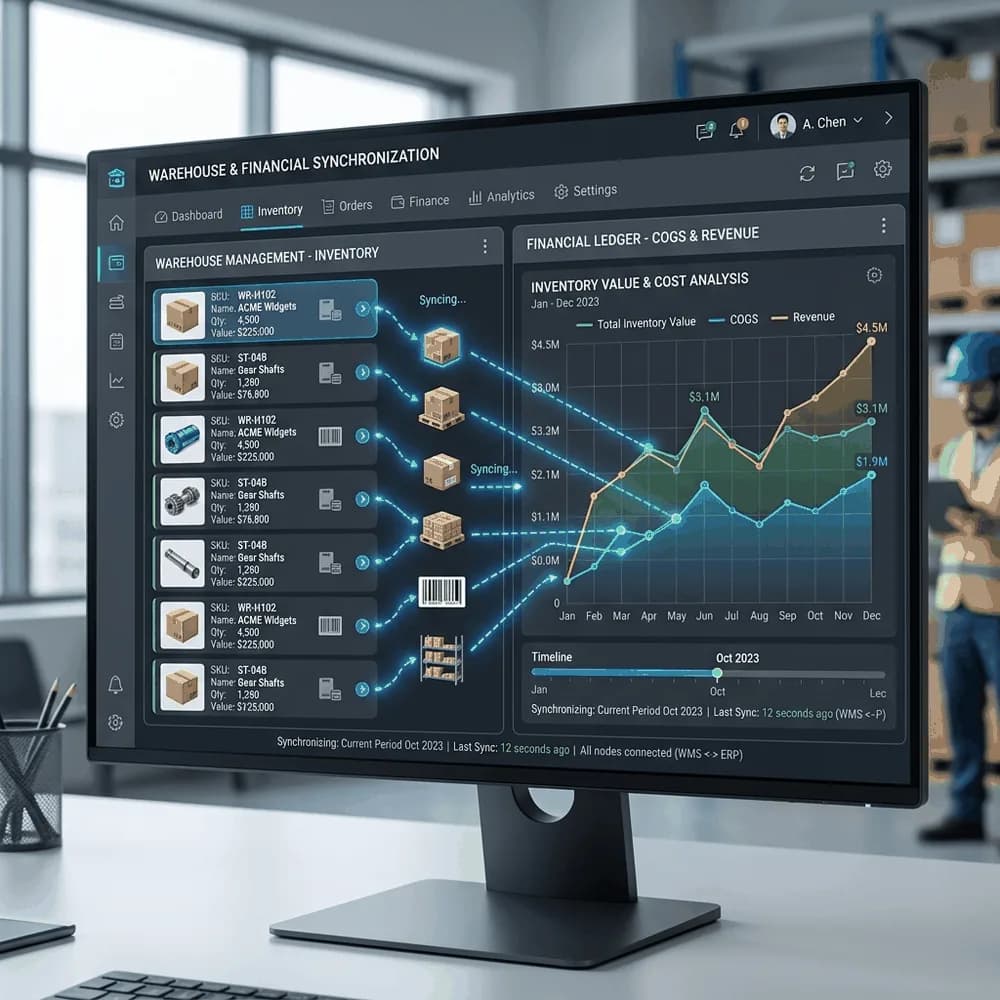
- Integration with ERP and accounting systems for stock valuation
Right for: Trading businesses, manufacturers managing raw materials and finished goods, businesses with one or two storage locations, businesses that need accurate stock records but do not run a high-volume pick-pack-dispatch operation.
What WMS Adds
A Warehouse Management System does everything inventory management software does — and adds the management of the physical warehouse operation itself. The additional capabilities:
- Bin and location management — every storage location defined, items assigned to specific bins
- Directed putaway — telling operators where to place received stock, confirmed by scan
- Directed picking — telling operators where to go for each pick, with barcode verification
- Pick route optimisation — minimising travel distance for pickers across the warehouse
- Wave and batch picking — managing multiple orders through the pick process simultaneously
- Pack station management — confirming packing against pick lists before dispatch
- Operator task management — assigning and tracking tasks across the warehouse workforce
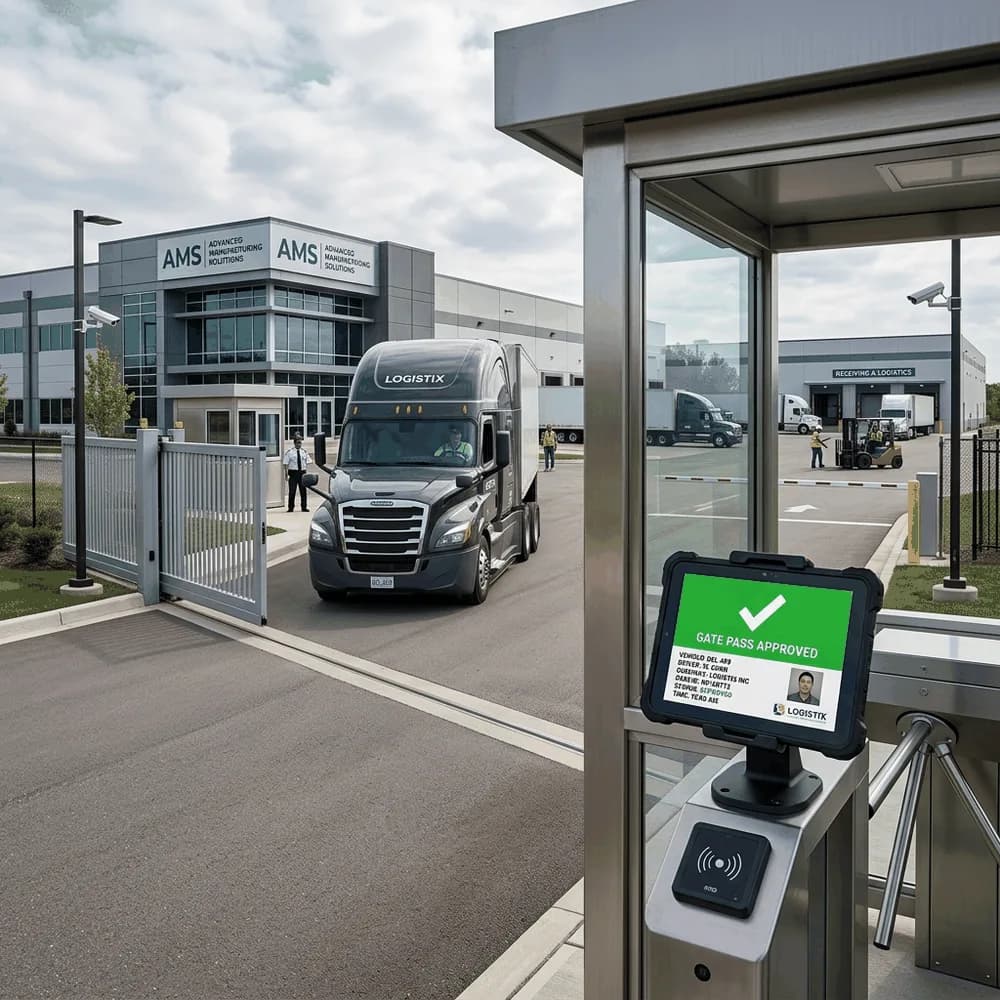
- Dock management — managing inbound and outbound vehicle scheduling
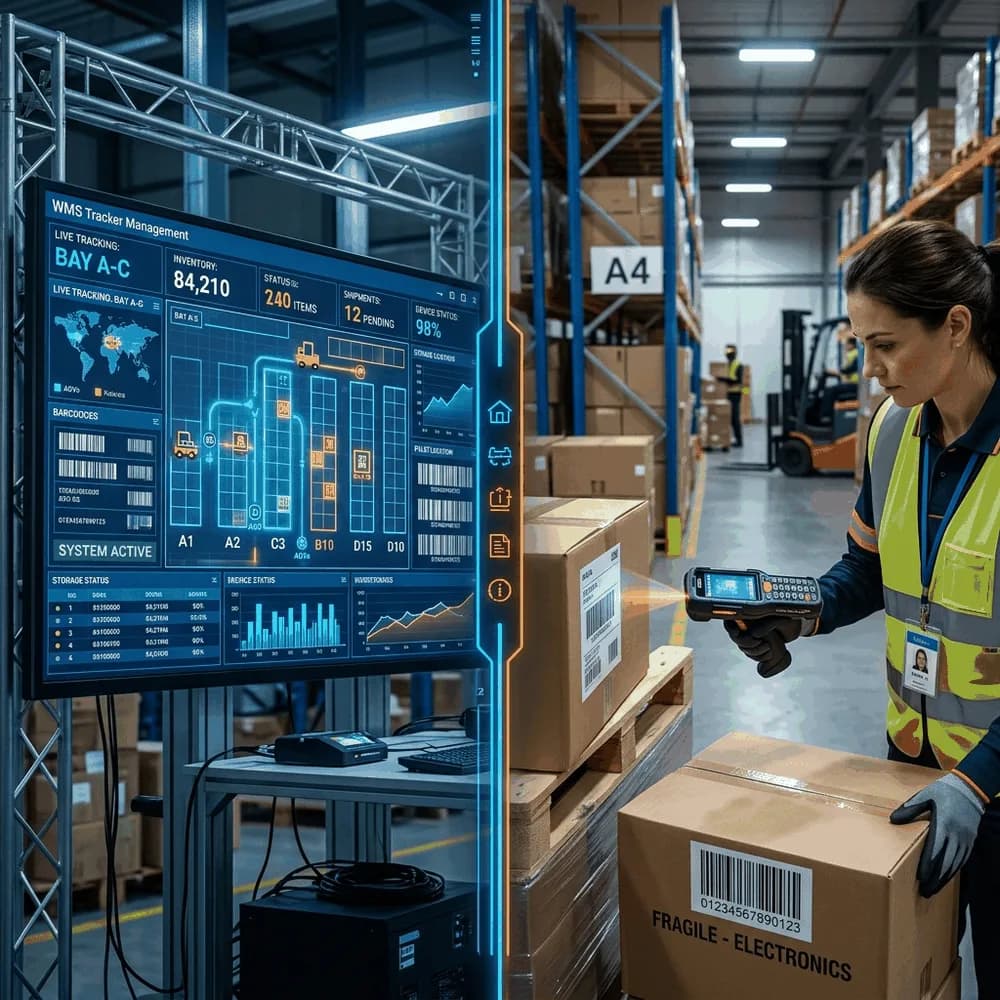
A WMS is designed for the operational reality of a warehouse floor — the physical movement of goods by operators using scanners, the assignment and verification of tasks, and the management of a warehouse as a physical space with defined locations.
Right for: Warehouses processing high daily order volumes, fulfilment centres, 3PL businesses managing multi-client warehouse operations, pharmaceutical distributors with batch and expiry requirements, distribution businesses where picking accuracy and throughput are the primary performance KPIs.
When You Need Both
Many businesses need both — and in Micraft's product architecture, inventory management and WMS are integrated.
The WMS manages the physical warehouse operations. Every movement confirmed in the WMS — every scan, every pick, every receipt — updates the inventory management record automatically. The inventory position is always the WMS position. No separate synchronisation required.
The inventory management layer provides the broader view — consolidated stock across locations, reorder management, ERP integration, and stock valuation — that sits above the warehouse operational layer.
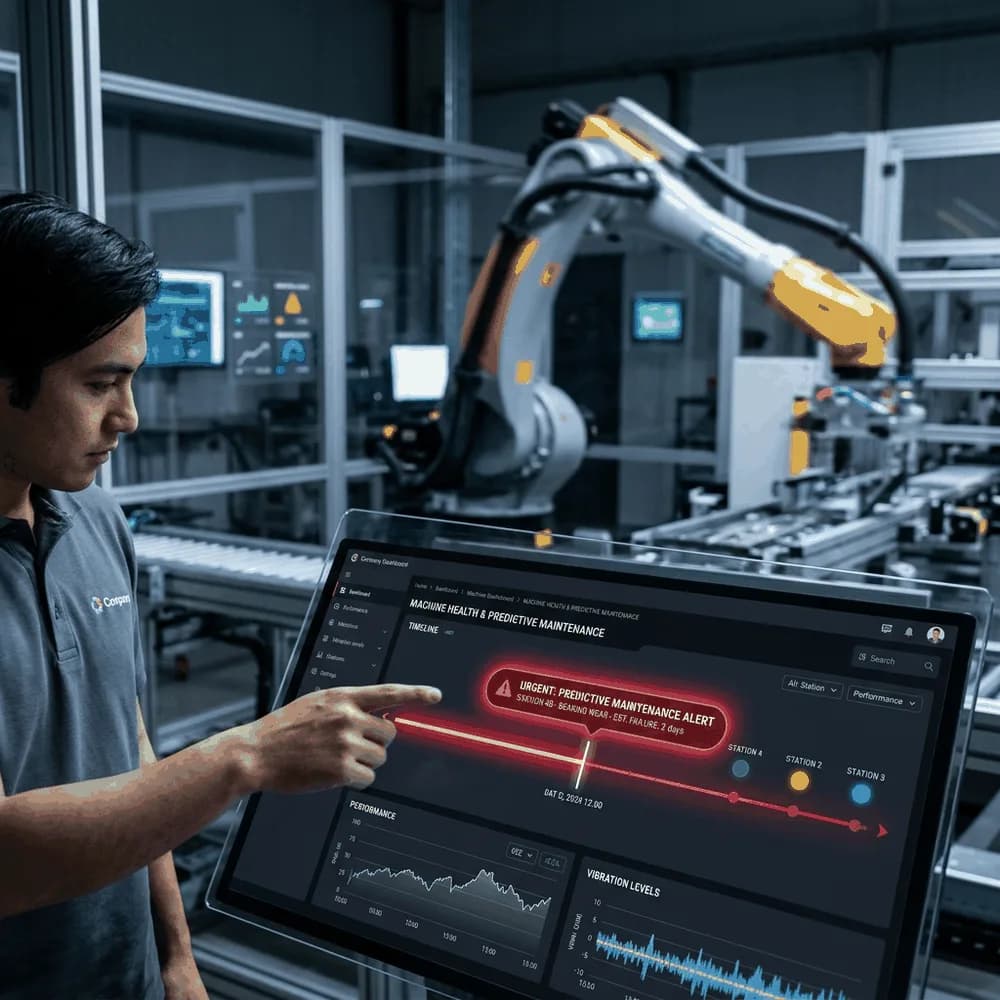
For a manufacturing business: Inventory management software tracks raw materials, WIP, and finished goods across storage locations. MES tracks production consumption. WMS manages the warehouse operations for finished goods dispatch.
For a pharma distributor: WMS manages the physical warehouse — FEFO picking, batch tracking, dock management. Inventory management provides the broader stock picture, reorder management, and integration with accounting.
For a 3PL: WMS manages warehouse operations for all clients. Inventory management provides client-level stock positions and reporting.
The Honest Evaluation Question
Ask yourself: is my primary problem knowing what stock I have, or is it managing how that stock moves through a physical space?
If the first — start with inventory management software. If the second — you need WMS. If both — Micraft provides both, integrated, from the same platform.